Every year I promise myself I will not do it, and most Decembers I do it anyway: the eleventh-hour scramble, the checkout pages, the guessing. And every year the gifts that land — the ones that get kept, used, mentioned again in February — are never the ones from the scramble. They are the ones I picked up months earlier, in no hurry, because I saw a thing and thought of a person.
So this is the ritual I actually keep now, and September is when it starts: the gift shelf.
The shelf, explained
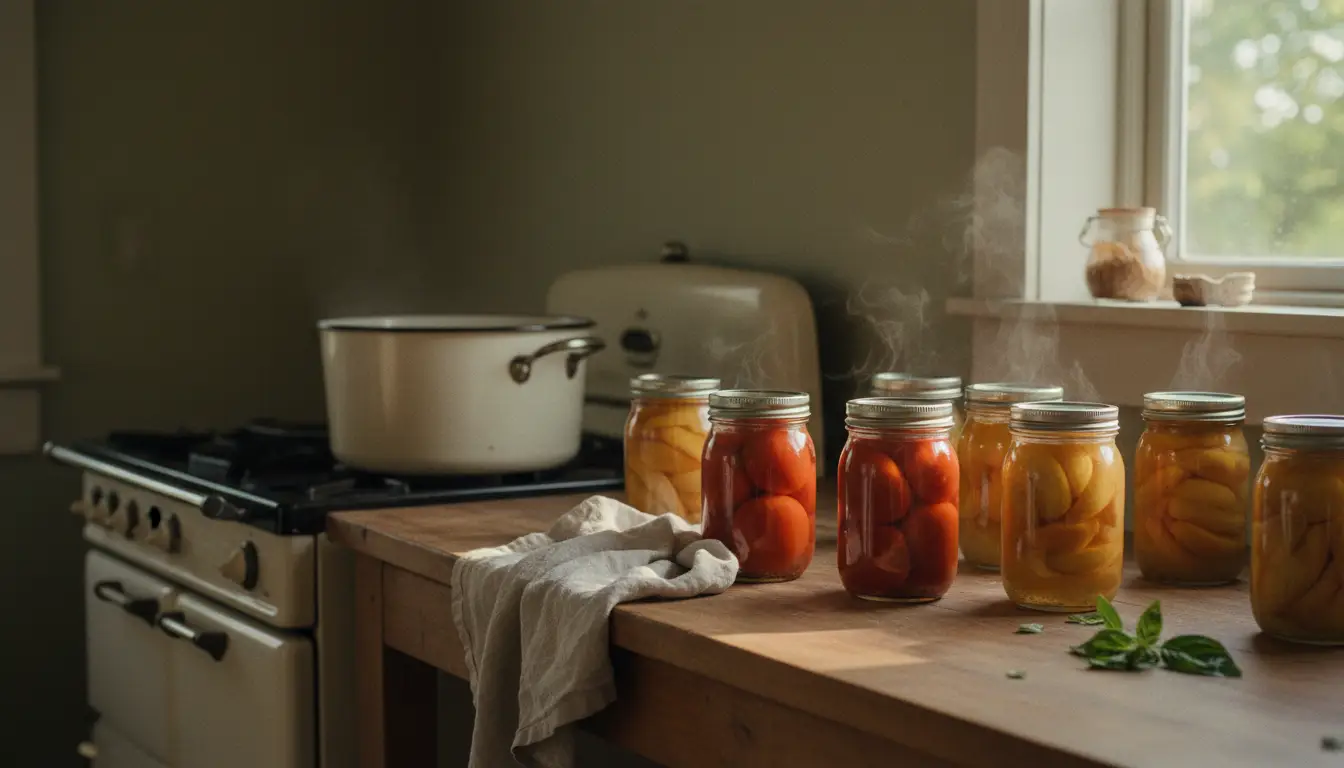
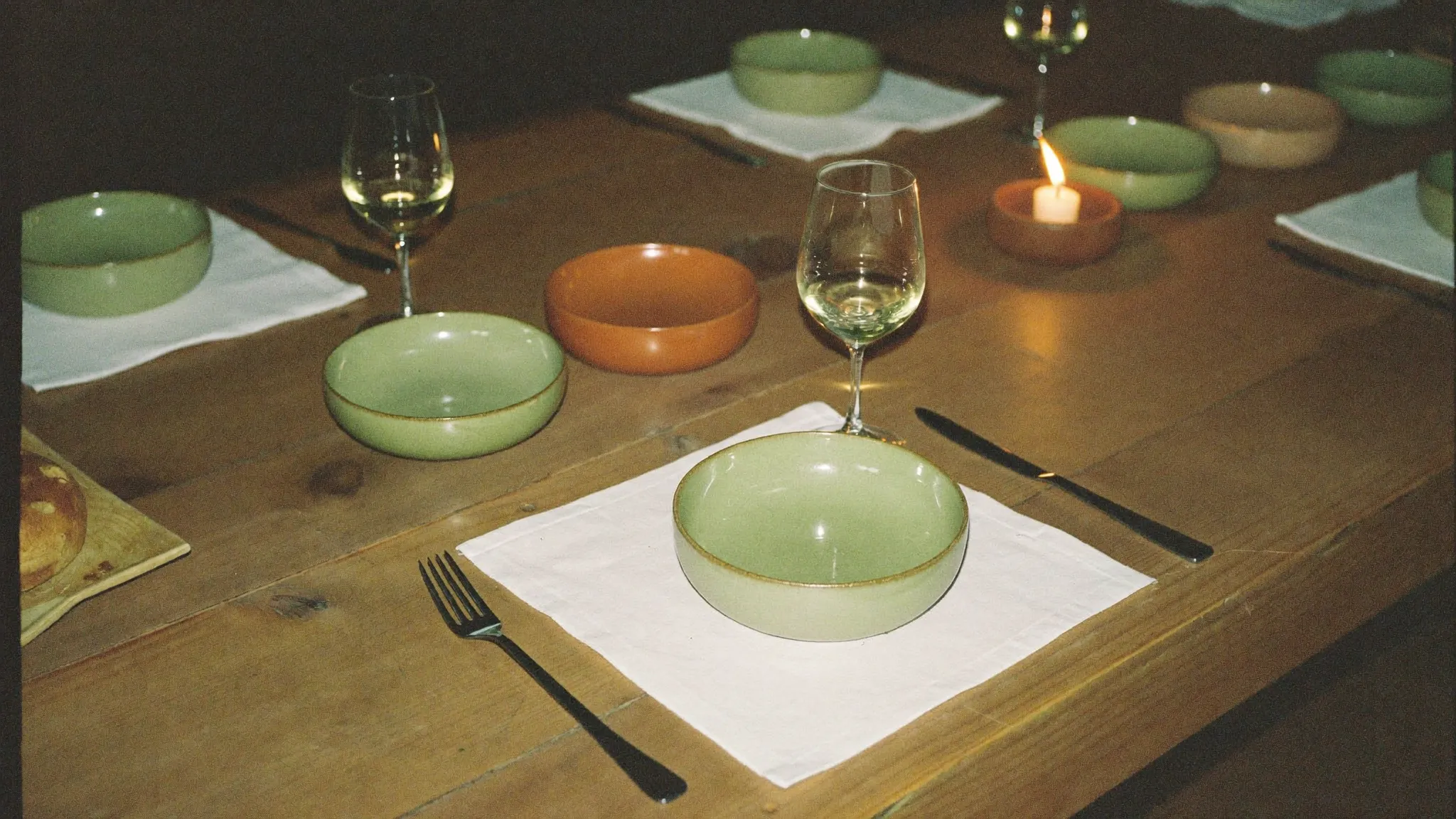
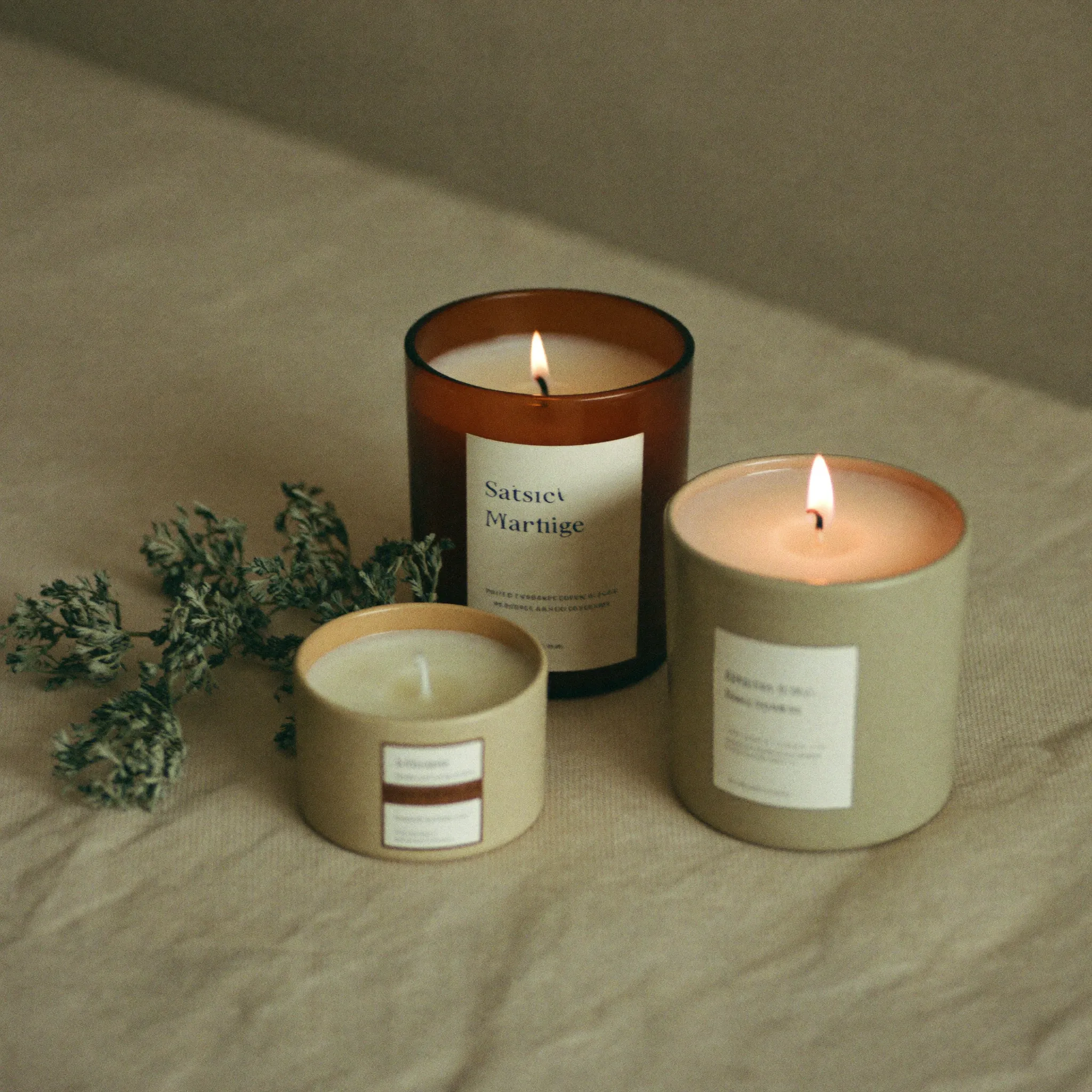
It is exactly what it sounds like. One shelf in the pantry, cleared at the end of summer, that fills slowly between now and the first snow. A pair of beeswax tapers from the market. A little jar of something I put up in July. A bowl from a ceramicist whose booth I stood at too long. Nothing on the shelf was urgent when I bought it, and that is the entire secret — a gift chosen without a deadline is a different object than a gift chosen against one. You can feel the difference through the wrapping paper.
A gift chosen without a deadline is a different object than a gift chosen against one.
Why handmade, and why now
Here is the plain arithmetic of it. The maker who poured the candle made perhaps two hundred this year. She will sell out of the good ones by Thanksgiving, because everyone else discovers handmade in November, all at once, and then waits on shipping with their teeth clenched. Buy in September and you get the first pick of the shelf, the unhurried version of her work, and she gets a sale in the quiet season — which, I can tell you from the farm side of the table, is when a sale means the most.
And a handmade thing carries its time with it. A hand-poured candle, a hand-thrown bowl, a hand-bound notebook — these took someone an afternoon, and the person you give them to can tell. That is really what you are wrapping: an afternoon of someone’s attention, transferred whole.
What earns a place on the shelf
My rules are short. It must be useful or beautiful, ideally both. It must come from a hand I can name — a maker, a booth, a small shop with a person behind it. And it must be bought when I see it, not noted for later; the shelf forgives impulse in a way December never does. Candles always earn their place, and so does anything from the preserving pantry, and so does linen, which softens for whoever you give it to. The one thing the shelf refuses is anything bought to be impressive. Impressive is a December feeling. The shelf is for things that will still be in someone’s kitchen in five years.
The quiet economics of it
Spread across three months, generosity costs what it costs a little at a time, instead of all at once in a week that already hurts. By the time the first hard frost comes, the shelf is full, the scramble is cancelled, and December is left with the only jobs it is actually good at: the wrapping, the candlelight, and the giving.
Blackbird Hollow is a slow-living magazine. Nothing here is medical or health advice — we write about atmosphere, craft, and living well, not treatment.